Choosing the Right Southern Appalachians Trail Town for Your Trip
Match your Southern Appalachians trip to the right trail town—compare Bryson City, Brevard, Hot Springs, Dahlonega, and more by activity, lodging type, and peak-season availability.
Choosing a Base Town That Matches Your Trailhead, Not Your Assumptions
The single most useful fact about the Southern Appalachians trail towns: the distance on a map is a lie. A 60 mile drive in these mountains takes two to two and a half hours on two lane roads with 25 mph switchbacks, sudden fog, and no cell service to warn you. Most visitors waste half their trip because they pick a base town for its reputation, not for the trailhead they actually want to hit. Matching each town to a specific activity set clarifies the trade off you will not see on a tourism board website.
Fly into Asheville Regional, McGhee Tyson near Knoxville, or Charlotte Douglas. Rent a car. Rideshare stops working the moment you leave the Asheville city limits. Budget five days minimum. With less than that you spend all your time connecting dots without ever feeling the rhythm of the place. The Blue Ridge Parkway is the spine of the region but it closes for ice and fog without warning. Check the NPS real time road closure map every morning and always have a non Parkway alternate route. Set your GPS to paved roads only. Carry a paper DeLorme Gazetteer. Most navigation apps will route you onto unpaved Forest Service roads that wreck a sedan.
._Mrs._Watson_is_65..._-_NARA_-_532767.jpg)
Hikers Who Want Smokies Access: Bryson City vs Townsend
If your primary goal is the Great Smoky Mountains National Park, the question is not whether to stay on the north side or the south side. The question is how much convenience you are willing to sacrifice for quiet.
Townsend calls itself the peaceful side of the Smokies and earns that label. It is a quarter hour from the Cades Cove entrance and the same from the Tremont trailheads. Motels run $70 to $130 per night, cabins $120 to $280. The downside: there is no walkable core. Lodging is dispersed along a highway with few sidewalks. You drive everywhere. That trade off works for hikers who want to be at the trailhead before dawn and back in time to cook dinner. It fails for anyone who wants an evening stroll to a restaurant.
Bryson City sits on the south side of the park and offers a small walkable downtown with a brewery, restaurants, and a train depot. Deep Creek trailheads are a short drive from town. The cost to that convenience is a longer drive to the high peaks. Clingmans Dome from Bryson City takes nearly an hour via Newfound Gap Road. From Townsend the same drive runs closer to 45 minutes. Bryson City motels run $80 to $140, cabins $130 to $300.
The north side alternative many visitors overlook is Cherokee. It has the shortest drive to Clingmans Dome, and motels start at $60. But Cherokee is not walkable and the atmosphere is dominated by the casino resort. Skip it if you want backcountry quiet or a town character of its own.
Camping Inside And Outside The Park
In peak season July and October, motels in both Townsend and Bryson City book solid weeks in advance. The walk up option disappears. Campgrounds inside the park solve that problem. Smokemont on the south side and Elkmont on the north side sit closest to the major trail networks. No reservation? That is not an option. The park uses a strict reservation system. But drive up to a national forest campground outside the park boundary and you have a real walk up chance. Deep Creek Campground just outside Bryson City and Turkey Creek near Townsend both operate on a first come basis. The catch: no cell service at either site to check availability. Show up by Thursday noon in peak leaf season or sleep in your car.
Waterfall Chasers and Mountain Bikers: Brevard vs Asheville
The Pisgah National Forest around Brevard holds the highest concentration of waterfalls and singletrack in the Southern Appalachians. The choice between Brevard and Asheville is a straight trade of proximity against city amenities.
Brevard puts you a quarter hour from Looking Glass Rock trailhead, the same from DuPont State Forest trailheads, and roughly half an hour from the Black Balsam and Art Loeb trailheads. Motels run $80 to $150, cabin rentals $130 to $280. The town has a small walkable downtown with limited dining and shops. It closes early. Dinner is over by 8:30. That is the downside. Brevard is not for nightlife seekers. It is for people who want to be on the trail by 7 a.m. and back in time for a trout dinner at a roadside cafe.
Asheville gives you urban amenities and a walkable downtown with craft breweries, restaurants, and the River Arts District. You pay for it. Downtown hotels run $180 to $400 per night. Chain motels outside downtown run $90 to $160. The drive to the same trailheads stretches to 45 minutes for the Pisgah Ranger District and over an hour to Mount Mitchell. That extra commute time matters most on short trips. If you are staying four nights or fewer and hiking is your priority, stay in Brevard. If you plan to mix hiking days with city days, base yourself in Asheville and accept the drive.
Camping In Pisgah
Davidson River Campground in the Pisgah National Forest sits minutes from the Brevard trailheads. It is the largest campground in the forest and fills by Thursday in season. Walk up sites exist but the reliable play is to book a site six weeks ahead. The trade off: no showers and no cell service at the campsite. For waterfall chasers who want to hit Looking Glass at dawn before the crowds, that trade is worth making.
AT Section Hikers: Hot Springs vs Dahlonega
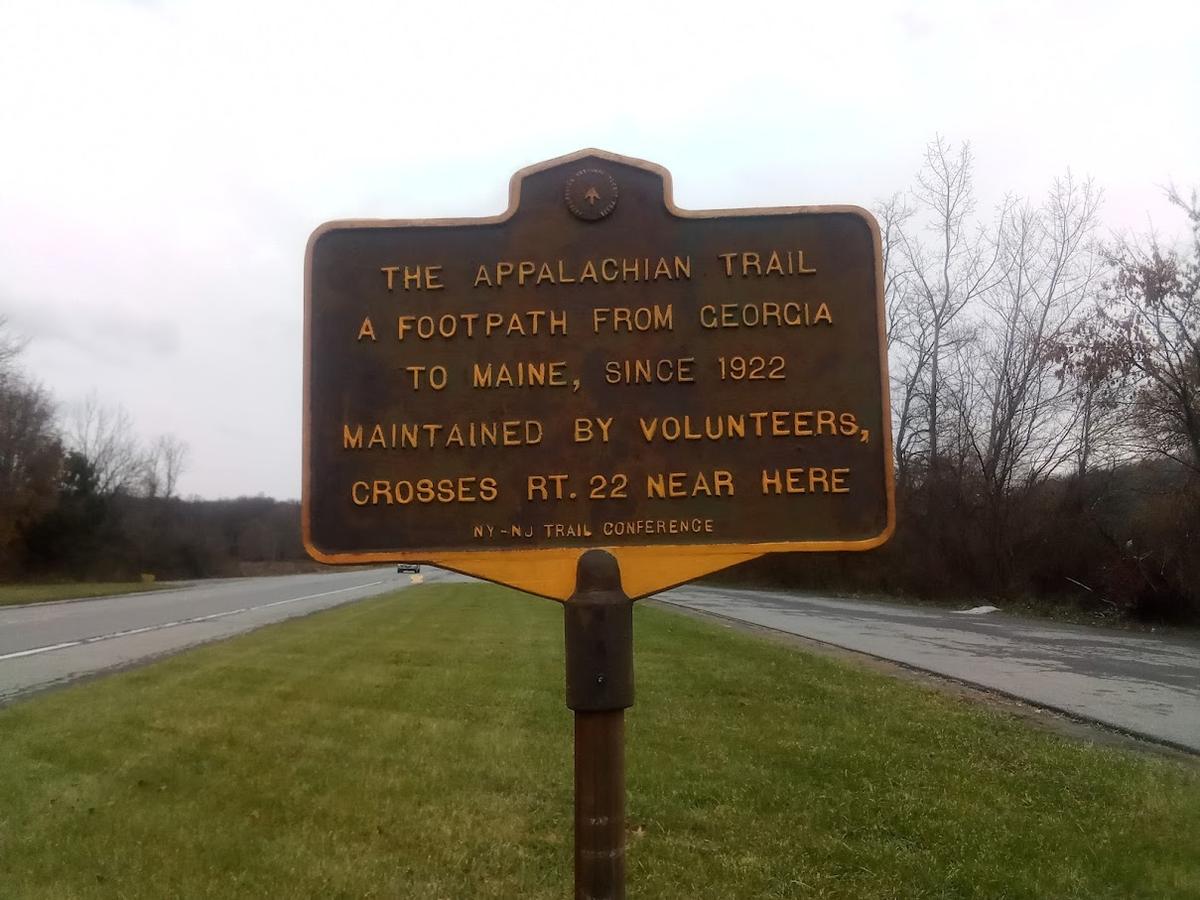
Appalachian Trail section hikers have two distinct options depending on which segment of the trail they plan to cover.
Hot Springs sits right on the AT. Hiker culture dominates. The hot mineral baths are a genuine post hike recovery option. Motels run $80 to $140, cabins $130 to $300. The walkable core is small but functional with a few restaurants and a brewery. The downside: Hot Springs is isolated. The nearest airport is two hours away and the winding roads make even a short supply run a half day commitment. Cell service in town is satellite based and slow. For a hiker who wants to step off the trail, soak in a bath, eat a pimento cheese burger, and step back on, Hot Springs is correct. For someone who wants to mix hiking with wine tasting or historic site visits, it is not the right base.
Dahlonega is the southern terminus of the AT approach trail and sits at a lower elevation. It gives you a historic square with wine tasting rooms, restaurants, and chain motels from $80 to $130. B&B options run $130 to $250. Springer Mountain trailhead is 45 to 50 minutes away. Blood Mountain and Neels Gap are roughly half an hour. Raven Cliff Falls is even closer. The trade off: Dahlonega lacks the high alpine feel and doorstep AT access of Hot Springs. You drive to every trailhead. But you gain better food, better wine, and access to the Dahlonega wine trail with tasting rooms within 20 minutes. Use Dahlonega if you want the AT experience with a side of gold rush history. Use Hot Springs if you want the pure hiker immersion.
Camping Along The AT
For hikers who want to stay on or near the trail itself, the National Forest Service maintains a string of drive up campgrounds. Above Hot Springs, the Max Patch Road offers dispersed camping on the bald summit itself. No permits, no amenities, no cell service. Below Dahlonega, the Cooper Creek Campground and the Lake Winfield Scott Campground offer first come first served sites within 20 minutes of the AT approach. The catch: these campgrounds close in wet conditions. Mid March through early April is mud season when many trails are closed to prevent erosion. If you arrive in that window, plan for a motel.

Motorcyclists and Parkway Cruisers: Little Switzerland vs Blowing Rock
The Blue Ridge Parkway segment from Milepost 290 to 469 is the most technically demanding and visually rewarding stretch of the entire road. Motorcyclists and sports car drivers come here for the switchbacks, the elevation changes, and the lack of commercial strip development. Two towns serve this corridor well, and they are not the same experience.
Little Switzerland is a ridgeline hamlet with old school motor lodges and zero pretense. It sits directly on the Parkway. The town has a gas station, a restaurant, and essentially nothing else. That is its appeal. Motels run $80 to $140. The downside: no walkable core, limited food options, and if the Parkway closes for fog you are stuck. For a motorcyclist who wants to ride all day and sleep in a quiet room with a view, Little Switzerland is the correct answer. It is not for anyone who needs dinner options beyond one diner.
Blowing Rock sits 15 minutes off the Parkway but offers polished mountain chic. Boutique shopping, pricey inns, and a walkable downtown. The price reflects it. Motels here start at $130 and climb quickly. The trade off: you trade the immediate Parkway access for better food and lodging. Blowing Rock works for riders who want to spend the evening walking a main street. It fails for riders who want to be on the Parkway at dawn before the traffic builds.
Camping For Parkway Riders
Julian Price Memorial Park has a large campground with direct Parkway access. No showers and no hookups, but you can roll out of your tent onto the road before the fog lifts. The campground fills by Thursday evening in October. Walk ups are possible but risky. The alternative is the Linville Falls Campground, which also offers direct access but with fewer sites. Both require cash payment and have no cell service for reservations. Plan ahead or carry a tent.
The Next Step
Open Google Maps and AllTrails. Set your route to the trailhead you most want to hike. Measure the drive time. If it exceeds 40 minutes from your candidate town, drop that town and pick the closer one. That is the only filter that matters in these mountains. Everything else difference in price, nightlife, dining variety is secondary to the drive time trap. Book a room with free cancellation so you can pivot when the Parkway closes without warning. Download offline maps before you leave Wi Fi. Fill your gas tank at half full because the next station is 40 miles away. Arrive by Thursday noon if you are camping in October. That is the plan. Execute it.
Common Questions
Which town is cheapest for a week long stay in the Smokies?
Cherokee has motels from $60 to $120 per night, but you trade cost for atmosphere the casino dominates everything. Townsend motels from $70 to $130 are a better value if you have a car and want quiet. Bryson City is walkable but costs $80 to $140.
Should I split my stay between north and south Smokies?
Only if you are staying more than five nights. For trips of three nights or fewer, pick one side and drive the extra distance. The drive across the park through Newfound Gap takes 45 to 60 minutes and that time adds up fast.
What is the biggest mistake people make choosing a trail town?
Underestimating drive times. A 60 mile distance on two lane mountain roads takes two to two and a half hours. Visitors see a map distance and budget an hour. Doing that drive after dark is genuinely dangerous.
Can I rely on rideshare to get around?
No. Rideshare works only within the Asheville city limits. Once you leave for Brevard, Bryson City, or Hot Springs, availability drops to zero. You must rent a car from the airport.
When should I absolutely avoid visiting?
Mid March through early April is mud season with trail closures and sleet. The week of July 4 fills every campground by Thursday. October weekends bring gridlock on the Blue Ridge Parkway and in towns like Boone. Go in late September or early November instead.
Read next
-
 Where to Stay in the Southern Appalachians, From Backcountry Shelters to Roadside Motels
A guide to Southern Appalachian lodging: vintage Parkway motor courts, trail-town motels, cabin clusters, and backcountry shelters, with price bands and booking lead times.
Where to Stay in the Southern Appalachians, From Backcountry Shelters to Roadside Motels
A guide to Southern Appalachian lodging: vintage Parkway motor courts, trail-town motels, cabin clusters, and backcountry shelters, with price bands and booking lead times.
-
 Flying Into the Southern Appalachians, Airport by Airport
Compare AVL, TYS, and CLT airports for the Southern Appalachians: drive times, rental-car costs, and why a personal vehicle is non-negotiable.
Flying Into the Southern Appalachians, Airport by Airport
Compare AVL, TYS, and CLT airports for the Southern Appalachians: drive times, rental-car costs, and why a personal vehicle is non-negotiable.
-
 Best Time to Visit the Southern Appalachians for Trails and Quiet
Season-by-season timing for the Southern Appalachians, including mud-season trail closures, October leaf-peeper gridlock, and June rhododendron blooms.
Best Time to Visit the Southern Appalachians for Trails and Quiet
Season-by-season timing for the Southern Appalachians, including mud-season trail closures, October leaf-peeper gridlock, and June rhododendron blooms.
-
 Getting Around the Southern Appalachians Without a Transit System
How to get around the Southern Appalachians when there is no transit, cell service drops, and GPS routes you onto impassable roads.
Getting Around the Southern Appalachians Without a Transit System
How to get around the Southern Appalachians when there is no transit, cell service drops, and GPS routes you onto impassable roads.
-
 Your First Week in the Southern Appalachians Built Around Weather Not a List
-
 Southern Appalachian Food, From Trail Resupply to Meat-and-Three Plates
Practical food guide for the Southern Appalachians: where to eat after a hike, where to resupply, and what to expect when restaurants close by 8:30 p.m.
Southern Appalachian Food, From Trail Resupply to Meat-and-Three Plates
Practical food guide for the Southern Appalachians: where to eat after a hike, where to resupply, and what to expect when restaurants close by 8:30 p.m.
-
 Blue Ridge and Pisgah
The Asheville and Pisgah side of the Southern Appalachians along the Blue Ridge Parkway, with waterfall loops, craft breweries, and Mount Mitchell.
Blue Ridge and Pisgah
The Asheville and Pisgah side of the Southern Appalachians along the Blue Ridge Parkway, with waterfall loops, craft breweries, and Mount Mitchell.
-
 Great Smoky Mountains
A Great Smoky Mountains guide focused on quiet gateways like Bryson City and Townsend, dawn wildlife viewing at Cades Cove, and avoiding Gatlinburg crowds.
Great Smoky Mountains
A Great Smoky Mountains guide focused on quiet gateways like Bryson City and Townsend, dawn wildlife viewing at Cades Cove, and avoiding Gatlinburg crowds.
-
 North Georgia
's quiet end of the Southern Appalachians, from Springer Mountain's AT start to Dahlonega's wine trail and Tallulah Gorge's permitted floor.
North Georgia
North Georgia's quiet end of the Southern Appalachians, from Springer Mountain's AT start to Dahlonega's wine trail and Tallulah Gorge's permitted floor.