Where Bear Canisters Are Required and How the Cable Systems Work
Where bear canisters are required in the Southern Appalachians, how Smokies cable systems work, and where to rent a canister if you are flying in.
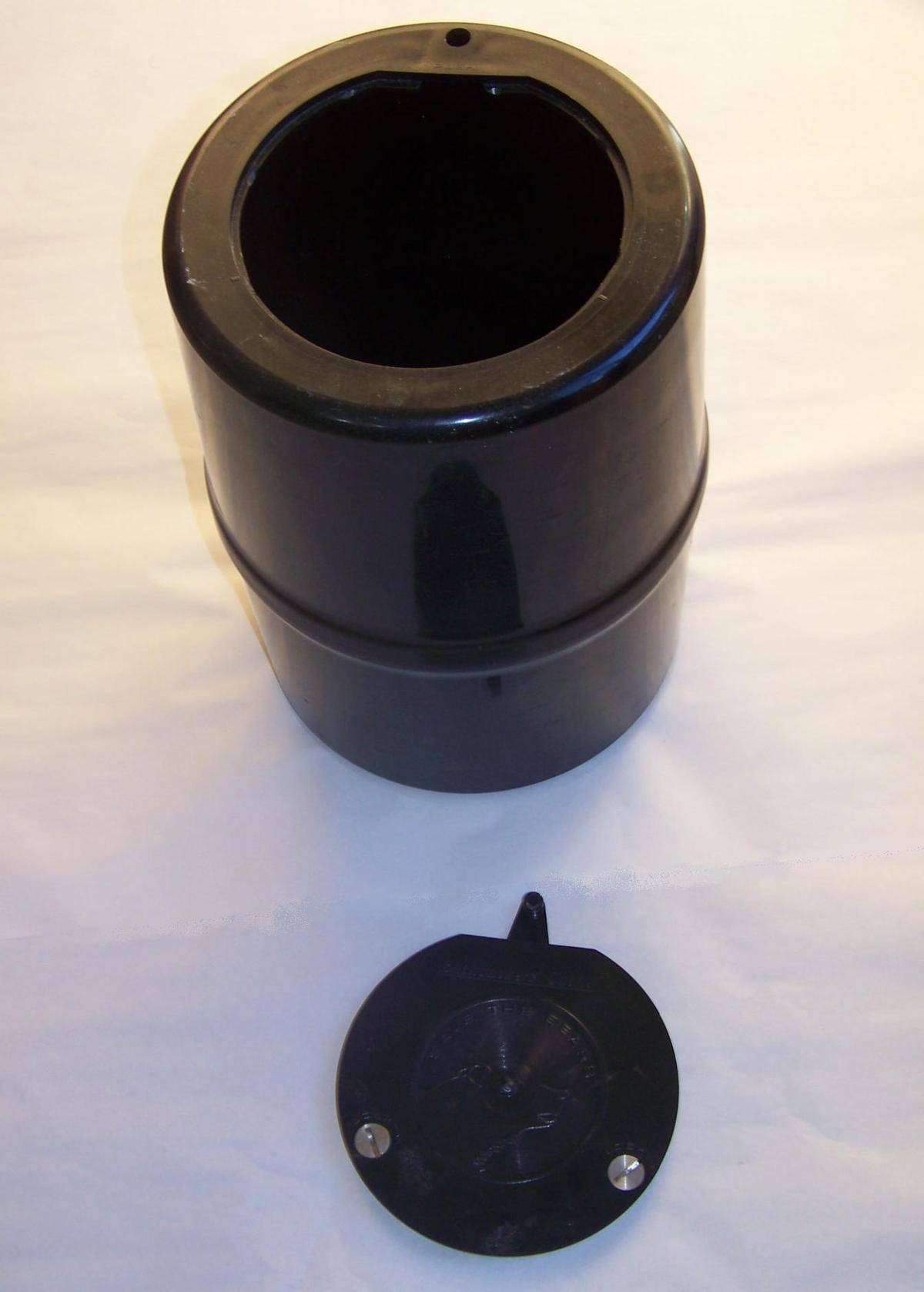

Bear Canister Requirements and Cable System Use in the Southern Appalachians
You are standing at a cable system in the Great Smoky Mountains at dusk, backpack off, rain starting, and a 14-foot metal cable hangs between two trees with a pulley you have never used before. Fumbling it costs you 20 minutes and daylight. Know exactly where you must carry a bear canister in the Southern Appalachians, how to work those cable-and-pulley setups on your first try, and what the fines are if you skip the rules. You need to comply to keep bears wild and keep your food, not to learn bear biology.
Great Smoky Mountains National Park: Cables at Shelters, Canisters Recommended Elsewhere
Shelter Rules and Trailhead Risks
Every designated backcountry shelter in Great Smoky Mountains National Park has a cable-and-pulley food storage system. Use it. That is not a suggestion. If you are camping at a site without a cable system, and most backcountry campsites lack them, you must bring a bear canister or do a proper bear hang using the PCT method. The park recommends a canister for all overnight trips, but it is not yet a legal requirement outside shelter areas. The fine for improper food storage here is up to $5,000 and six months in prison. National Park Service rangers enforce it. Trailhead parking lots are a separate risk: lock all food, coolers, and scented items in your trunk or hide them out of sight inside a locked vehicle. Bear activity at trailheads peaks from April through November. High-risk lots include Newfound Gap, Clingmans Dome, and Fontana Dam. Car break-ins for visible food are a real problem at those lots.
How the Smokies Cable-and-Pulley Systems Work (No Fumbling)
Step-by-Step at the Cable
The system has a metal cable about 12 to 15 feet off the ground when raised, with a pulley that slides on it. Each set has four to six hanging points, each with a carabiner clip. Tie your food bag to the carabiner, pull the rope to raise the bag to the cross-line, then clip the rope off on the cleat or pole. That is the whole trick. The common mistake: not clipping the rope off properly, which lets the bag slide back down. Test it by pulling down on the bag. If it drops, re-clip. Do this before you do anything else. Some older shelters lack cables, so check the signage at the site.
When the Cable Is Broken or Missing
If you arrive to find a broken cable, you must do a proper bear hang instead: 10 feet off the ground, 4 feet from the tree trunk, and 4 feet below the supporting limb. The PCT method is the standard, but it takes practice. Carry a 50-foot cord in your pack for this. No cable system on the AT section in Georgia, North Carolina, and Tennessee is guaranteed to be working. Always have a backup plan.
Blood Mountain Wilderness: the Only Mandatory Canister Zone in Georgia
The Blood Mountain Wilderness area in Chattahoochee National Forest is the only section of the Southern Appalachians where a bear canister is legally required. The requirement applies from March 1 to June 1 every year. The boundary runs from Jarrard Gap at Appalachian Trail mile 26.0 to Neels Gap at mile 31.7. This is a 5.7-mile section. The canister must be certified by the Interagency Grizzly Bear Committee. Standard hard-sided canisters like BearVault or Garcia models are fine. The fine for violating this order on USFS land is up to $5,000 per violation under 36 CFR 261.58, enforced by USDA Forest Service Law Enforcement. Patrols increase during the March-to-October window in this zone. Rangers issue citations with zero tolerance during the canister season. Do not assume you can slide by without one. Traffic on the AT through Blood Mountain is heavy, and rangers know exactly where to check.
Pisgah National Forest and Linville Gorge: Where Canisters Are Required Outside of Blood Mountain
Linville Gorge: Terrain Makes Hangs Difficult
In Pisgah National Forest, including Linville Gorge, bear canisters are required in certain areas. Check the specific regulations for the zone you plan to camp in. Linville Gorge has a permit system for overnight backcountry use. While a canister is not universally required across the entire forest, the ranger district for Linville Gorge recommends them. Carry a canister in Linville Gorge. The bear hang options are poor due to steep terrain and limited trees with the right branch structure. Outside of Linville Gorge, the standard rule in Pisgah is that a proper bear hang is acceptable where no canister requirement is posted.
What Goes in the Canister
The same scent rules apply across all jurisdictions. Scented items include food, trash, toiletries, cookware, utensils, stoves, fuel canisters, empty food packaging, lip balm, sunscreen, insect repellent, toothpaste, deodorant, wet wipes, certain ointments and creams, pet food and bowls, and empty beverage containers with drink mix residue. If it smells like anything, it goes in the canister.
.jpg)
Where to Rent or Buy a Canister If You Are Flying in
You cannot bring a bear canister through airport security. Rent or buy at these locations. In Asheville, Diamond Brand Outdoors near the airport rents canisters, and REI Asheville has them for sale. In Bryson City, the Nantahala Outdoor Center rents them. In Knoxville, River Sports Outfitters carries rentals and sales. Reserve one if you are hiking in peak season. The rental pool runs out by Friday afternoon in July and October. Daily rental runs about $10, and buying one costs $80 to $120. The certified types are Interagency Grizzly Bear Committee approved. Any model you find at a proper outfitter will pass inspection. If you cannot find a rental, buy a canister online and ship it to your hotel or a general delivery post office in the town where you start.
The One Thing That Trips Most People Up
You are driving a 60-mile stretch on the Blue Ridge Parkway that should take an hour and it takes two and a half hours. You lose daylight. You arrive at the trailhead at 6 p.m. with no cell service to check the food storage rules for that specific zone. GPS does not work once you drop into a cove. Download offline maps for the forest and the parkway before you leave Wi-Fi. Carry a paper DeLorme Gazetteer in your car. If the road closes due to fog or ice and you have no alternate route saved, you are stuck. The most common failure here is not knowing that drive times in the Southern Appalachians are two to three times what a map shows. Arriving late means setting up a bear hang in the dark, which is how people make mistakes that cost them their food and their permit. Arrive early. Know the rules for your specific zone before you walk from the car. Have a working canister or cable system ready before the light goes.
Common Questions
Where can I rent a bear canister if I am flying into Asheville or Knoxville?
Rent from outfitters in Asheville (Diamond Brand Outdoors, REI Asheville), Bryson City (Nantahala Outdoor Center), or Knoxville (River Sports Outfitters). Reserve ahead in peak season. Daily rental costs about $10. Buying one costs $80 to $120 at the same shops or online before your trip.
What do I do if the cable system at a Smokies shelter is broken?
You must perform a proper bear hang using the PCT method. Carry a 50-foot cord rated for at least 25 pounds. Minimum hang height is 10 feet from the ground, 4 feet from the trunk, and 4 feet below the branch. If you cannot achieve that, walk to the next shelter or camp without food.
Can I leave my food in my car at a trailhead in the Southern Appalachians?
Yes, but it must be in a locked trunk or hidden out of sight in a locked vehicle. Nothing visible through windows. Do not leave food in a soft cooler in a hatchback. Break-ins target visible coolers and bags. High-risk lots include Neels Gap, Unicoi Gap, Newfound Gap, and Clingmans Dome.
What happens if I get caught without a canister in the Blood Mountain Wilderness from March 1 to June 1?
You face a fine of up to $5,000 per violation under federal regulation 36 CFR 261.58. Forest Service law enforcement patrols this area regularly during the season and issue citations with zero tolerance. Not having a canister is not a warning situation. You will be cited.
Read next
-
 Southern Appalachians Winter Hiking What Stays Open and What Ices Over
Which Southern Appalachian trails stay open in winter, which roads ice over and close without warning, and how to hike safely when the Parkway shuts down.
Southern Appalachians Winter Hiking What Stays Open and What Ices Over
Which Southern Appalachian trails stay open in winter, which roads ice over and close without warning, and how to hike safely when the Parkway shuts down.
-
 Southern Appalachians Waterfall Hikes Worth the Drive and the Ones That Kill
The Southern Appalachian waterfall hikes that have killed people, the specific hazards on each trail, and safer nearby alternatives.
Southern Appalachians Waterfall Hikes Worth the Drive and the Ones That Kill
The Southern Appalachian waterfall hikes that have killed people, the specific hazards on each trail, and safer nearby alternatives.
-
 Smokies vs Blue Ridge Which Half of the Southern Appalachians Fits Your Week
Smokies or Blue Ridge for a one-week Southern Appalachians trip—how the two halves compare in crowds, terrain, towns, and daily logistics.
Smokies vs Blue Ridge Which Half of the Southern Appalachians Fits Your Week
Smokies or Blue Ridge for a one-week Southern Appalachians trip—how the two halves compare in crowds, terrain, towns, and daily logistics.
-
 Southern Appalachian Permits and Reservations You Need to Book Ahead
Every Southern Appalachian permit and reservation you need to book ahead: Grandfather Mountain, Biltmore, Tallulah Gorge floor access, and backcountry quotas.
Southern Appalachian Permits and Reservations You Need to Book Ahead
Every Southern Appalachian permit and reservation you need to book ahead: Grandfather Mountain, Biltmore, Tallulah Gorge floor access, and backcountry quotas.