Walking and Biking the Cades Cove Loop on Vehicle Free Mornings
A practical guide to Walking and Biking the Cades Cove Loop on Vehicle Free Mornings.

What Makes Vehicle-Free Mornings Different
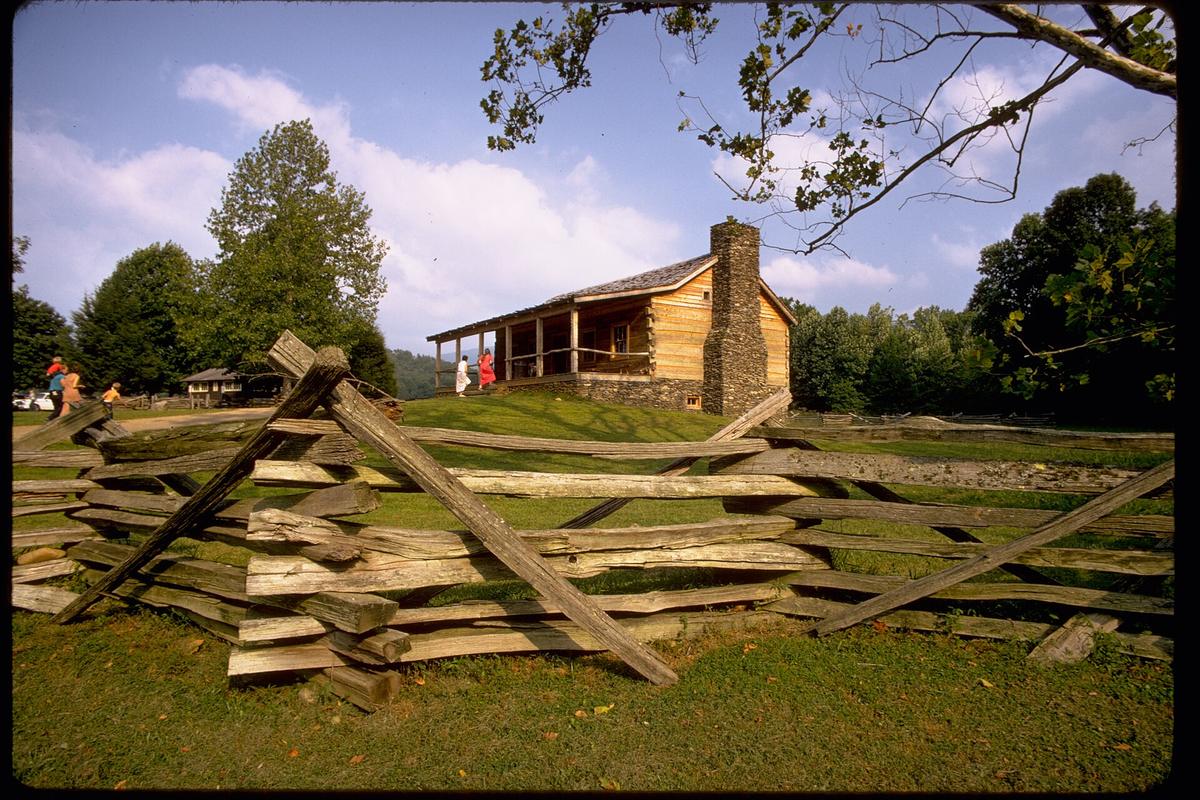
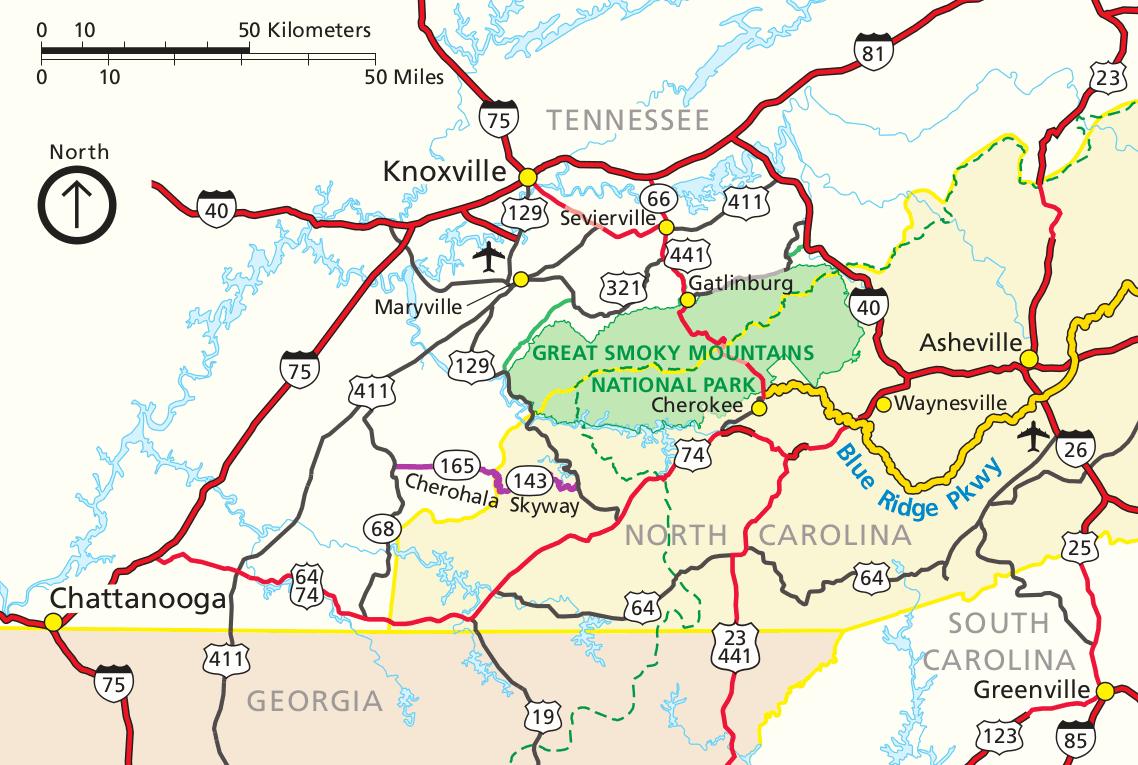
The Cades Cove Loop Road is an 11-mile, one-way circuit that wraps around a scenic valley south of Townsend, Tennessee, with mountains rising on all sides. On most days, cars and motorcycles share the pavement with cyclists and pedestrians, but the National Park Service sets aside dedicated time when the road closes to motor vehicles entirely. These vehicle-free periods give walkers and riders a quieter way to experience the cove, with fewer distractions and a pace that matches human power rather than engine power.
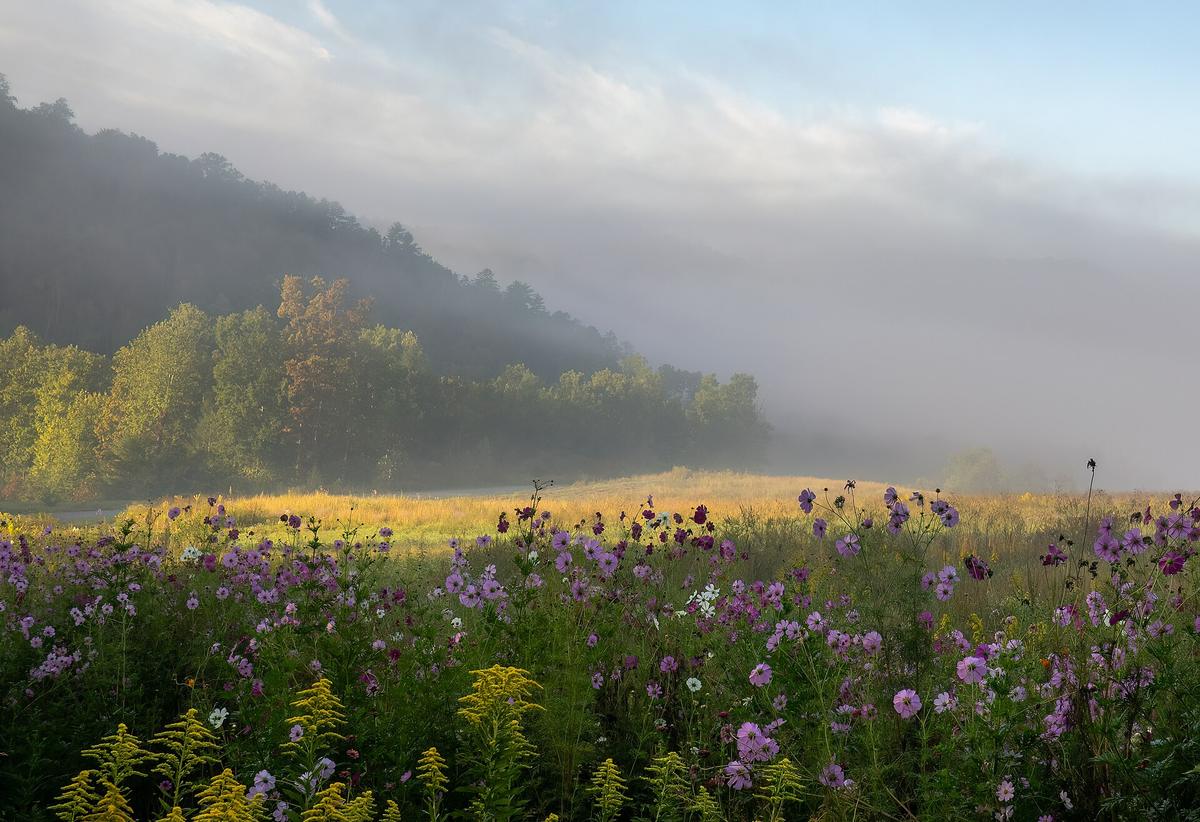
During vehicle-free access, the loop road becomes a shared route for bicycles and pedestrians. The absence of motor traffic changes the sensory experience of the valley. Sounds that are often masked by engines, such as bird calls, flowing water, and wind moving through the tree canopy, become part of the outing. The slower rhythm also makes it easier to notice wildlife moving through the fields and forest edges that line the road.
When the Road Is Closed to Motor Vehicles
The National Park Service designates specific days when the Cades Cove Loop Road is motor-vehicle-free for the full day. The schedule changes annually, so the dates that applied last season may not match the current year. Before planning a trip, check the official Cades Cove Vehicle-Free Days page on the National Park Service website to confirm the active schedule. That page is the authoritative source for dates, any adjustments, and the hours during which the road is closed to motor vehicles.
Because the schedule is set year by year, a midweek visit that worked one summer might shift the following season. If your travel window is narrow, confirm the dates early and build flexibility into your itinerary. The park does not publish a permanent calendar, so third-party summaries can become outdated quickly. Relying on the official park page is the safest way to avoid showing up on a day when cars are still permitted.


What You Can Ride and What Stays Home
Only bicycles are permitted on the loop road during vehicle-free access. The National Park Service allows Class 1 and Class 2 electric bikes within Great Smoky Mountains National Park, and that rule extends to the vehicle-free periods on Cades Cove Loop Road. Class 1 e-bikes provide assistance only while the rider is pedaling and stop helping at 20 miles per hour. Class 2 e-bikes have a throttle that can propel the bike without pedaling, also up to 20 miles per hour.
Scooters, skateboards, and other non-motorized wheeled devices are not allowed on vehicle-free days. The restriction is specific: if it is not a bicycle or an approved e-bike, it cannot be used on the loop road during these events. This rule keeps the mix of users predictable and reduces conflicts between faster and slower travelers.
All bikes must follow the posted speed limit of 20 miles per hour on the loop road. The states of North Carolina and Tennessee require that children age 16 and under wear helmets while bicycling. Even for adults, a helmet is a practical choice on a road where surface conditions can change and wildlife may cross unexpectedly.
Where to Start and How to Park
Vehicle-free access does not mean you can leave your car anywhere without preparation. A valid parking tag is required if you park your vehicle anywhere within park boundaries for longer than 15 minutes, including on days when the loop road is closed to motor vehicles. Parking tag prices and purchase locations change over time, so verify the current cost and where to buy a tag through the National Park Service before your visit. The official Cades Cove Vehicle-Free Days page is the place to confirm these details.
The Cades Cove campground and picnic area remain open on vehicle-free days. The campground requires a reservation, and picnic-area parking is limited, especially in the morning. Arriving early improves your chances of finding a spot, but there is no guarantee. If the picnic area fills, you may need to park elsewhere within the park and ride to the loop road, so factor that possibility into your timing.
What You Can Do Along the Loop
The loop road provides access to hiking trails, wildlife viewing, and historic homesites, cemeteries, and churches. On a vehicle-free day, you can stop at a trailhead, lock your bike, and walk into the woods without worrying about leaving your car in a crowded pull-off. The historic structures along the route, including log cabins and frame churches, are open for exploration on foot, and the absence of motor traffic makes it easier to linger without feeling rushed.
Wildlife viewing is a major draw. White-tailed deer, black bears, wild turkeys, and coyotes are all active in Cades Cove, and the quieter conditions can make sightings more frequent. Keep a respectful distance from all animals, and never feed or approach wildlife. Binoculars or a camera with a zoom lens are better tools than a close approach.
Renting a Bike If You Do Not Bring One
Bicycles may be rented at the campground store near Cades Cove Campground during summer and fall. Rental availability, hours, and pricing are not set by the National Park Service and can vary from year to year. Before counting on a rental, confirm the current situation directly with the Cades Cove campground store operator. A phone call or a check of their official listings can tell you whether rentals are running on your intended date and what types of bikes are in the fleet.
If you plan to rent, arrive early. The store is close to the loop road, which makes it a convenient starting point, but inventory is finite. On busy vehicle-free days, the most popular sizes and styles may go quickly. Bringing your own bike eliminates that uncertainty and lets you start riding as soon as you park.
Staying on the Right Path
The loop road itself is the main cycling route in Cades Cove. There are no mountain biking trails in Great Smoky Mountains National Park. The only park trails where bicycles are allowed are the Gatlinburg Trail, Oconaluftee River Trail, and lower Deep Creek Trail, none of which are in Cades Cove. If you want to explore beyond the pavement, you will need to park your bike and hike. Trailheads along the loop lead to destinations such as Abrams Falls and Rich Mountain, but those paths are for foot travel only.
This separation between cycling and trail use is strictly enforced. Riding a bike on a hiking trail can result in a citation and damages the trail surface. Stick to the loop road and the designated parking areas, and you will stay within the rules while preserving the backcountry experience for hikers.
Sources and verification
Read next
-
 Alum Cave Trail to Mount LeConte
The Alum Cave trailhead lot fills before sunrise most of the year—here is where to park legally, when the shuttle runs, and what the climb to Mount LeConte actually demands.
-
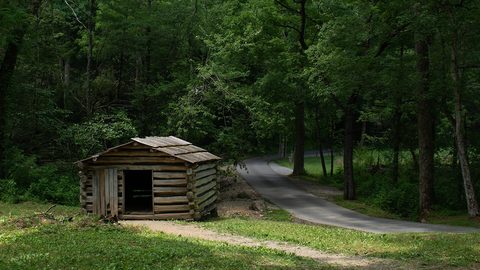 Chimney Tops Trail
The Chimney Tops Trail no longer reaches the rock pinnacles—the final scramble is closed permanently after the 2016 wildfire, and the trail ends at a lower observation deck.
-
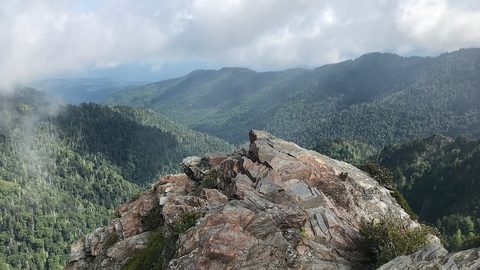 Charlies Bunion
 delivers the best single-day Appalachian Trail experience in the Smokies—an 8-mile round-trip from Newfound Gap with ridgeline exposure and a rocky outcrop finish.
-
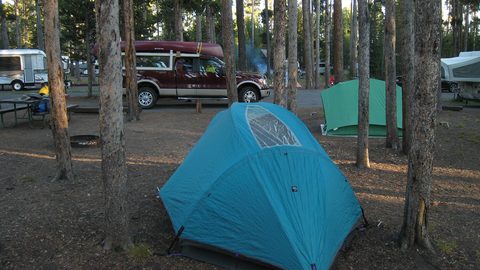 Where to Stay in the Southern Appalachians, From Backcountry Shelters to Roadside Motels
A guide to Southern Appalachian lodging: vintage Parkway motor courts, trail-town motels, cabin clusters, and backcountry shelters, with price bands and booking lead times.
-
 Southern Appalachians Trail Towns Where to Base Yourself and When to Camp Instead
Match your Southern Appalachians trip to the right trail town—compare Bryson City, Brevard, Hot Springs, Dahlonega, and more by activity, lodging type, and peak-season availability.
-
 Flying Into the Southern Appalachians, Airport by Airport
Compare AVL, TYS, and CLT airports for the Southern Appalachians: drive times, rental-car costs, and why a personal vehicle is non-negotiable.
-
 Best Time to Visit the Southern Appalachians for Trails and Quiet
Season-by-season timing for the Southern Appalachians, including mud-season trail closures, October leaf-peeper gridlock, and June rhododendron blooms.
-
 Getting Around the Southern Appalachians Without a Transit System
How to get around the Southern Appalachians when there is no transit, cell service drops, and GPS routes you onto impassable roads.
-
 Your First Week in the Southern Appalachians Built Around Weather Not a List